
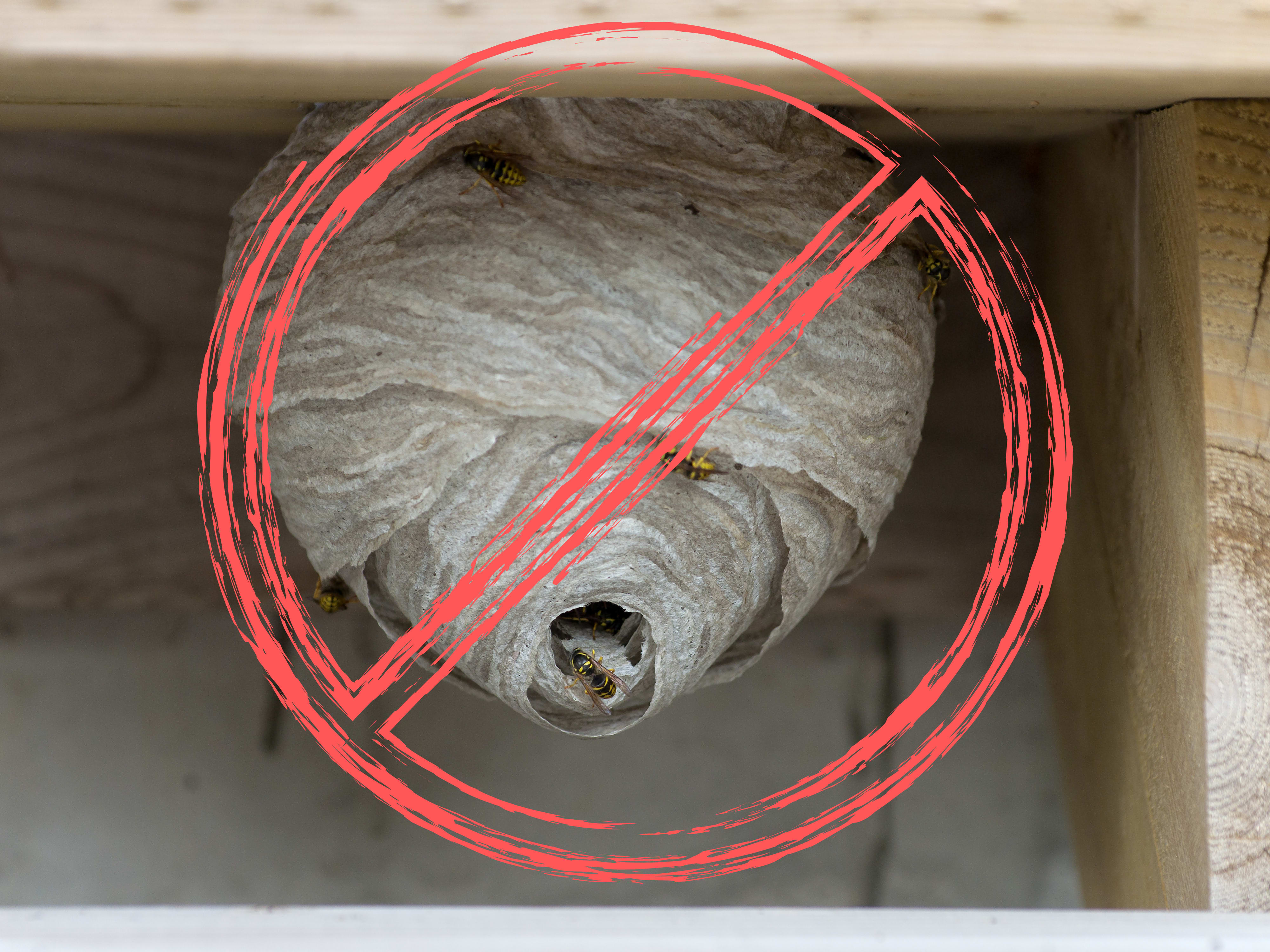
No one wants to deal with buzzing, stinging insects around their home—especially not carpenter bees drilling into your wood siding or wasps and hornets setting up shop near your doors and patios. But if you’re looking for pest control methods that don’t involve harsh chemicals, there are safe, natural strategies that can help reduce infestations and keep your space peaceful.
Here are three proven, eco-friendly ways to deter carpenter bees, wasps, and hornets from making themselves at home around your house:
1. Use Essential Oil Sprays
Why it works:
Strong-smelling essential oils—especially peppermint oil, clove oil, and citronella—can act as a natural repellent. These scents interfere with the insects’ ability to scout locations or detect pheromones left by others.
How to use it:
Mix 10–15 drops of peppermint oil or clove oil with water and a teaspoon of dish soap in a spray bottle. Shake and spray around:
-
Eaves and rooflines
-
Porch ceilings and railings
-
Wooden siding or decks (especially for carpenter bees)
-
Under outdoor furniture
Reapply every few days or after rain.
Bonus: Peppermint oil also repels spiders and ants—double win!
2. Seal and Paint Exposed Wood
Why it works:
Carpenter bees prefer untreated, unpainted wood for nesting. Wasps and hornets look for cracks and sheltered crevices to build their nests. If the wood is smooth, painted, or sealed, it becomes a far less attractive option.
What to do:
-
Paint or seal any untreated wooden structures like decks, fences, soffits, or eaves.
-
Fill small cracks or holes in siding or brickwork where hornets or wasps might nest.
-
Use caulk or wood filler to plug old carpenter bee holes before they get reused.
Tip: Light-colored paints and stains may deter wasps more than darker colors, which can absorb heat and make ideal nesting spots.
3. Hang Decoy Nests
Why it works:
Wasps and hornets are territorial. They usually avoid building a nest near another colony’s nest. By hanging a decoy, you can trick them into staying away.
How to use it:
You can buy reusable decoy nests online or make your own using a brown paper bag stuffed with newspaper and tied at the top to resemble a nest. Hang them:
-
Under eaves or porch ceilings
-
In outdoor corners where nests commonly form
-
Near gardens or sheds
Replace or refresh them each spring before wasp season begins.
Note: This trick is most effective early in the season before nests are established.
Final Thoughts
While these natural methods can go a long way in discouraging bee and wasp activity around your home, it's important to monitor for existing nests. If you find an active hornet or wasp nest—especially inside your walls or near high-traffic areas—it’s safest to contact a professional for removal.
That said, staying ahead of the season with a few natural deterrents can save you a summer full of swatting and stings.
Have a bee, wasp, or hornet problem already? Reach out to our team for recommended pest control professionals in your area.